
Journal
Cairo Beyond the Guidebook
Where Cairenes actually eat koshari, the mosque with Cairo's best sunset, and why the back rooms of the Egyptian Museum beat the famous hall — five days walking the capital with our on-the-ground team.
Cairo overwhelms first-time visitors, and that's part of its charm. Twenty-something million people, a river older than history, and traffic that turns a two-mile trip into an adventure. The guidebook will send you to the Pyramids and the Egyptian Museum — and you should absolutely go. But the Cairo we love is the one you find in the hours between.
Eat where Cairenes eat
Koshari is the city on a plate: rice, lentils, pasta, chickpeas, crisp fried onions and a garlicky tomato sauce, assembled at speed and eaten standing up. Skip the tourist cafés and follow the lunchtime queue of office workers instead. The best koshari is loud, cheap, and served with a bottle of hot sauce you should treat with respect.
In the evening, the old fatir bakeries and the ful and taameya carts come into their own. Egyptian street food is some of the most rewarding in the region, and eating it well is mostly a matter of going where it's busy and freshly cooked.
Find the sunset
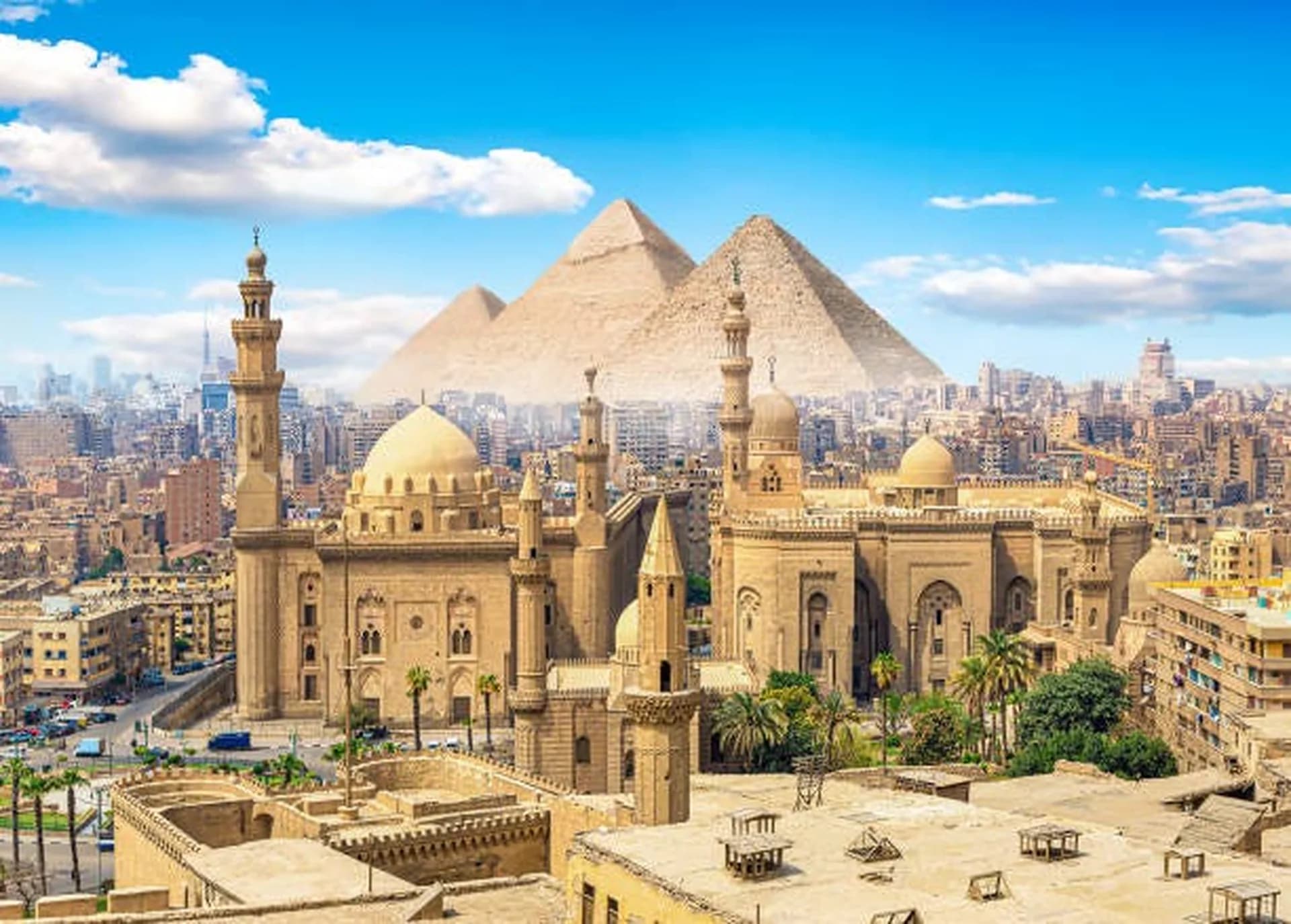
Everyone photographs the Pyramids at sunset. Fewer people climb up to the Citadel of Salah al-Din, where the Mosque of Muhammad Ali crowns the skyline and the whole city spreads out below in the low gold light. As the call to prayer rises across the rooftops, it's one of the great free experiences in Cairo.
The museum's quiet rooms
The famous halls of the Egyptian Museum are unmissable, but the back rooms reward patience: cases of everyday objects — sandals, combs, children's toys, a scribe's palette — that make the ancient world feel suddenly, movingly human. Our guides love these corners, and a slow morning here beats a rushed hour any day.
Cairo doesn't hand itself over easily. Give it a few days, a good guide, and an appetite, and it becomes the city you'll want to come back to.