
Journal
An Evening at Karnak, On Your Own
The sound and light show gets a bad reputation — here is how our guides time it so the hypostyle hall is nearly empty, and what the lighting designer got right about the obelisks.
The Karnak sound and light show has a reputation, and not always a kind one. Some travelers dismiss it as a dated bit of theatre. Done right — and timed right — it's one of the most atmospheric evenings you can have in Luxor.
Timing is everything
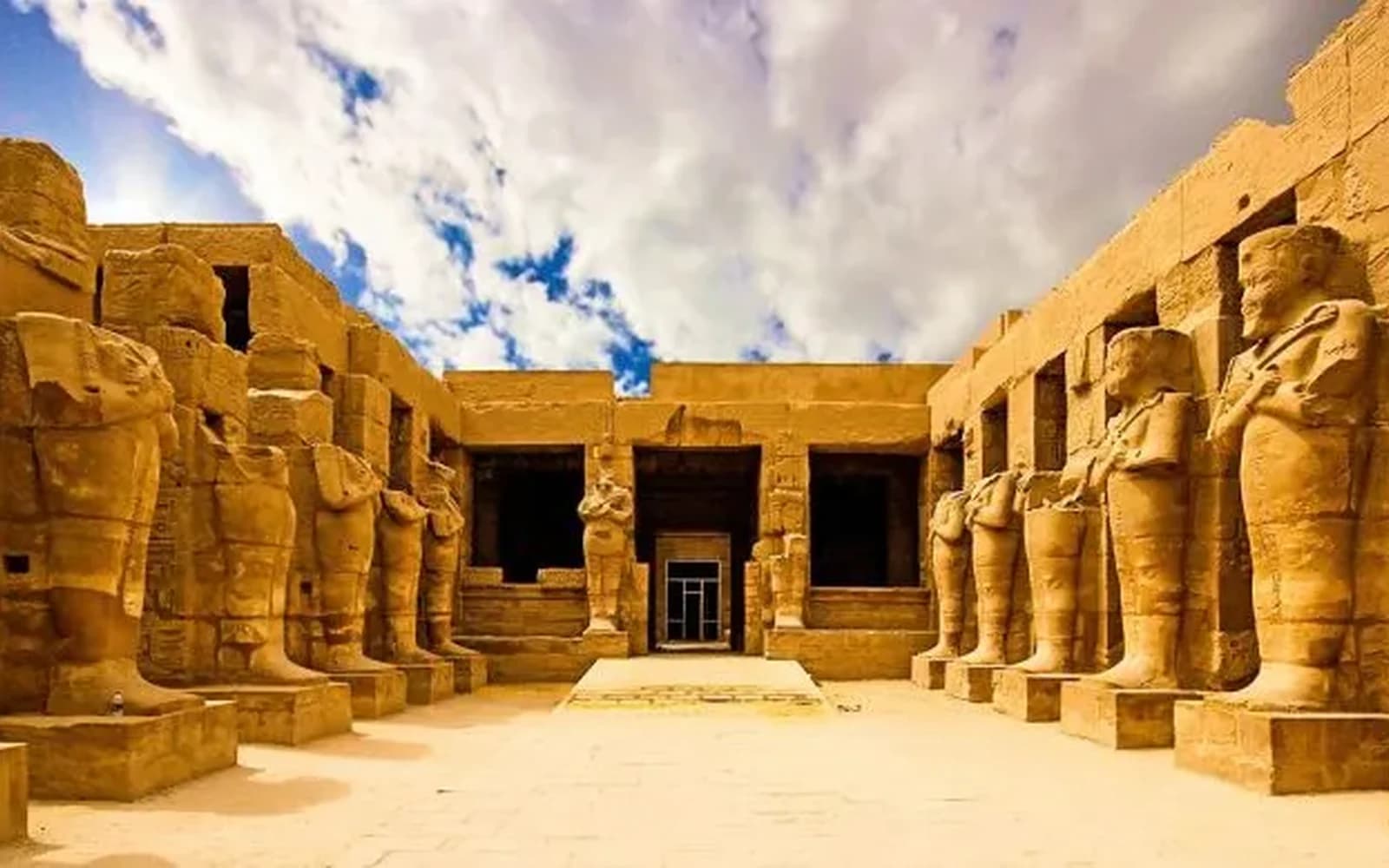
The trick is the crowds. We schedule visits so that, as the show moves through the temple, our travelers reach the great Hypostyle Hall when it's nearly empty. Standing among 134 towering columns in the dark, lit one section at a time, with the narration echoing off three-thousand-year-old stone — that's the moment people remember.
What the lighting gets right
Say what you like about the script, the lighting design understands the architecture. Watch how the obelisks catch the light and seem to lift; how a wash of colour reveals a wall of hieroglyphs you'd have walked straight past by day. Karnak was built to stage the drama of the divine, and after dark it still does.
Pair it with a daytime visit
The show works best as a second visit. See Karnak by daylight first — get your bearings, let your guide walk you through the pharaohs who each added their mark over two thousand years — then return at night to feel it rather than study it. By day you understand Karnak. By night you sense why it mattered.